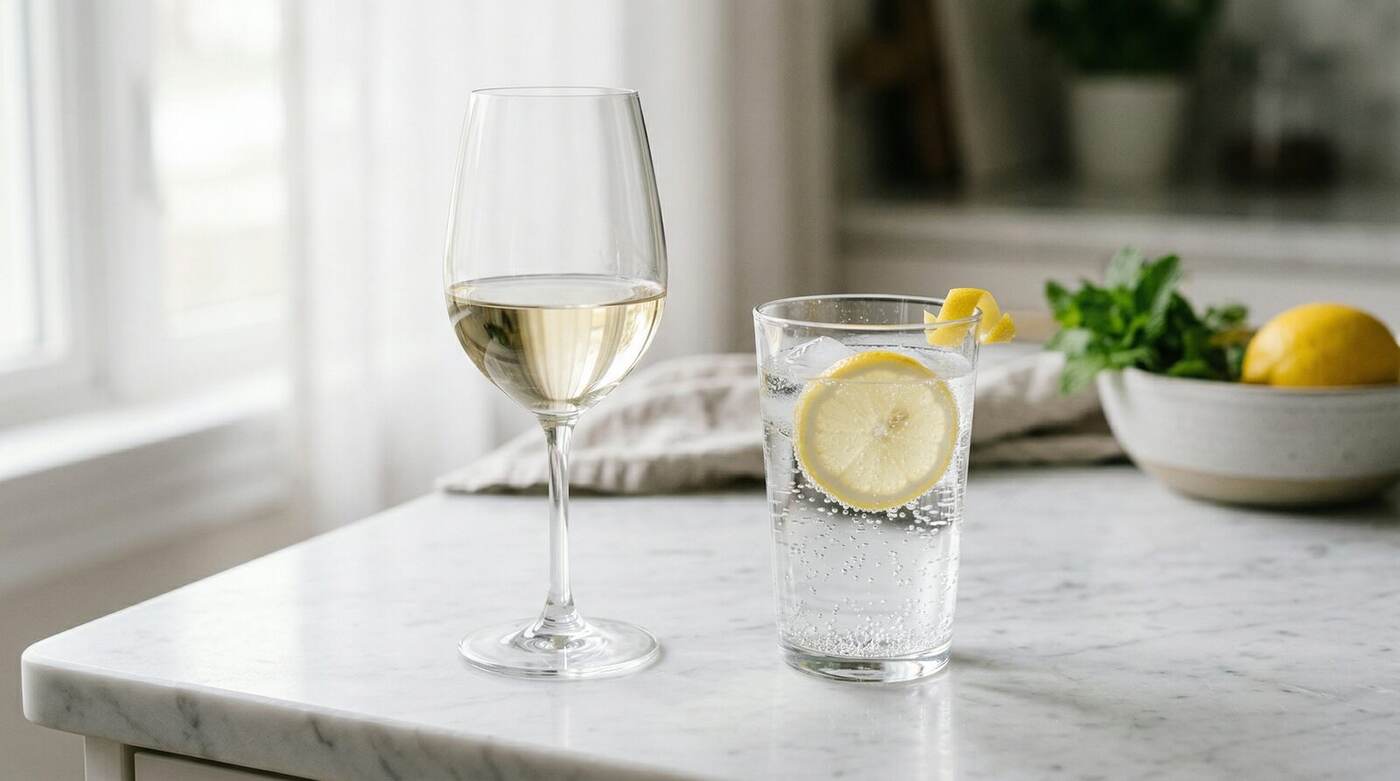
- Alcohol is not a hard contraindication for semaglutide or tirzepatide, but it requires meaningful caution because GLP-1 medications change how your body processes it.
- Slower gastric emptying means alcohol can hit harder and more unpredictably than your previous tolerance would predict.
- Combining alcohol with GLP-1 creates a real risk of low blood sugar, particularly on an empty stomach or with insulin or sulfonylureas.
- Many patients spontaneously drink less on GLP-1, and research points to a biological reason involving the brain's reward pathways.
- Early clinical data suggests GLP-1 medications may have a therapeutic role in reducing alcohol use disorder symptoms.
Is alcohol safe on GLP-1 medication?
Alcohol is not a direct contraindication for semaglutide or tirzepatide. You will not find it on the official drug interaction list. But that does not mean it is without risk. GLP-1 medications change how your body processes alcohol in ways that make moderate drinking require more care than it did before treatment.
This is one of the most common questions patients ask their providers after starting treatment. The honest answer is nuanced. Alcohol itself does not chemically interact with semaglutide or tirzepatide in the way that, say, certain antibiotics interact with other drugs. There is no direct pharmacological conflict requiring avoidance.
What does change is your physiology. GLP-1 medications alter gastric emptying, blood sugar regulation, and potentially the reward signals in your brain. All three of these changes affect how alcohol behaves in your body and how your body responds to it. Understanding each one helps you make informed choices rather than guessing.
The standard guidance from most providers: occasional moderate drinking is generally manageable on GLP-1 medication, but patients should be aware of changed tolerance, should never drink on an empty stomach, and should stay well hydrated. Frequent or heavy drinking works against the treatment in multiple ways and is not recommended.
Why your alcohol tolerance changes on GLP-1
The most commonly reported experience from patients on semaglutide or tirzepatide who drink: the same amount of alcohol hits noticeably harder than it used to. Two glasses of wine that once felt like nothing suddenly feel like four. This is not imaginary, and it is not random. There is a clear physiological explanation.
Gastric emptying and alcohol absorption
GLP-1 medications slow the rate at which your stomach empties its contents into the small intestine. This is called delayed gastric emptying, and it is one of the core mechanisms that makes you feel full for longer after meals. For food, this is a benefit. For alcohol, the picture is more complicated.
When you drink, alcohol is absorbed primarily through the small intestine. The faster alcohol reaches the small intestine, the faster it enters your bloodstream and the more rapidly you feel its effects. When gastric emptying is slowed, alcohol stays in your stomach longer before moving through. This can make intoxication feel delayed at first, which risks overconsumption because you do not feel the full effect right away.
A 2020 pharmacokinetic study published in Clinical Pharmacokinetics confirmed that GLP-1 receptor agonists meaningfully slow alcohol absorption in the gastrointestinal tract, altering the peak blood alcohol concentration and the timing of peak effects.[6] The practical implication: your previous mental model for how many drinks is "okay" may no longer apply.
"I had two beers at dinner and felt like I had five. My tolerance just vanished. My provider told me it was the medication, not me."
Why this matters for safety
Altered absorption timing creates a specific risk. If you drink quickly expecting to feel effects at your previous pace, you may continue drinking while alcohol is still queued in your stomach. When it does hit, it hits at a higher effective concentration. This is one of the reasons providers advise drinking slowly, spacing drinks out, and eating a full meal before consuming any alcohol while on GLP-1 treatment.
Blood sugar effects and hypoglycemia risk
This is the most clinically significant concern when combining alcohol with GLP-1 medications. Both alcohol and GLP-1 affect blood sugar regulation, and they do so in ways that can compound each other.
How alcohol affects blood sugar
The liver plays a central role in maintaining blood glucose levels through a process called gluconeogenesis, where it releases stored glucose when blood sugar drops too low. When you drink alcohol, the liver prioritizes metabolizing alcohol over releasing glucose. This means that while alcohol is being processed, the liver's normal blood sugar backup system is temporarily offline.
For most people without diabetes or blood sugar conditions, this effect is manageable. For someone on GLP-1 medication, particularly someone who also takes insulin or sulfonylureas, the combined effect creates a meaningful hypoglycemia risk.
How GLP-1 medications interact
GLP-1 medications work partly by stimulating insulin release when blood sugar rises and suppressing glucagon (the hormone that tells the liver to release glucose). This is beneficial for blood sugar regulation during normal eating. During alcohol consumption, however, the suppression of glucagon combined with the liver's impaired glucose release creates conditions where blood sugar can drop significantly, especially if you are drinking on an empty stomach.
A 2019 review in Diabetes, Obesity and Metabolism noted that while GLP-1 receptor agonists used as monotherapy carry a lower intrinsic hypoglycemia risk than insulin, this risk increases substantially when alcohol is added, particularly without food.[8]
If you take insulin, sulfonylureas, or other glucose-lowering medications in addition to GLP-1, the hypoglycemia risk from alcohol is amplified. Talk to your Kind MD provider before drinking alcohol if you are on combination therapy.
Recognizing hypoglycemia when drinking
The symptoms of hypoglycemia, including dizziness, confusion, sweating, and shakiness, closely overlap with the symptoms of being drunk. This overlap makes it harder to recognize when blood sugar is dangerously low versus when you have simply had too much to drink. Always eat a full meal before drinking. If you feel unexpectedly unwell, check your blood sugar if you have a monitor available and err on the side of stopping drinking and eating something.
The calorie problem: why alcohol undermines GLP-1
GLP-1 medications work by reducing your appetite and helping you eat fewer calories overall. Alcohol introduces a complication because it delivers calories that do not trigger the same fullness signals as food.
A standard drink contains roughly 100 to 200 calories depending on type. These are pure energy calories with no fiber, protein, or micronutrients. They do not suppress hunger hormones or activate the satiety pathways that GLP-1 engages. In fact, alcohol can temporarily lower inhibitions around eating, making it more likely you will eat past the point your GLP-1 medication would otherwise guide you to stop.
Beyond direct calorie load, alcohol disrupts sleep quality. Poor sleep elevates ghrelin, the hunger hormone, and reduces leptin, the fullness hormone. The morning after drinking, many people report stronger appetite and greater cravings for high-calorie foods. This downstream effect can partially undo the appetite regulation GLP-1 provides.
For patients actively in a weight loss phase, the honest calculus is that regular drinking creates meaningful headwinds against the medication's effectiveness. This does not mean never drinking. It means being honest about frequency and quantity, and understanding what tradeoffs you are making.
Questions about alcohol, diet, or lifestyle on GLP-1?
A Kind MD provider will review your situation personally and give you tailored guidance.
Talk to a Provider →Why many patients naturally want less alcohol on GLP-1
One of the more surprising and scientifically interesting observations from GLP-1 patients is that many report spontaneously wanting less alcohol after starting treatment. Not because they are being disciplined or making a conscious effort, but because the desire simply feels quieter. This mirrors what patients describe about food noise, the constant mental chatter about food that diminishes on GLP-1.
Researchers have a working explanation, and it connects to how GLP-1 receptors are distributed in the brain.
GLP-1 receptors in the reward system
GLP-1 receptors are not limited to the gut and pancreas. They are found throughout the central nervous system, including in areas associated with reward and motivation, particularly the nucleus accumbens and the ventral tegmental area. These regions are central to the brain's dopamine-driven reward circuits, which mediate the pleasurable and reinforcing effects of both food and alcohol.
A 2021 preclinical review in Neuropsychopharmacology found that GLP-1 receptor activation in the nucleus accumbens reduced the rewarding properties of alcohol in animal models, decreasing voluntary alcohol consumption without affecting basic motor function or general motivation.[11] The working hypothesis is that GLP-1 receptor activation dampens the dopamine release triggered by alcohol, making it less reinforcing at a neurochemical level.
This is the same mechanism researchers believe underlies GLP-1's effect on food noise: the medication does not eliminate the ability to enjoy food or drink, but it reduces the compulsive, craving-driven pull toward overconsumption.
For patients, this often manifests as: finishing one drink and genuinely not wanting another. Finding that alcohol feels less necessary at social events. Not missing it the way they expected to. This is not willpower. It is biology.
Types of alcohol and their impact on GLP-1 treatment
Not all alcohol is created equal when it comes to GLP-1 compatibility. The relevant variables are calorie content, sugar load, carbonation, and how quickly they affect blood sugar. Here is a practical breakdown of common categories.
| Type | Typical Calories | Sugar / Carbs | Blood Sugar Impact | GLP-1 Compatibility |
|---|---|---|---|---|
| Clear spirits (vodka, gin, tequila) neat or with sparkling water | 90 to 105 per 1.5 oz shot | 0g carbs | Low, but alcohol itself depresses glucose release | Best option if drinking. No added sugar or carbs. |
| Dry white or red wine | 100 to 130 per 5 oz glass | 2 to 5g carbs | Moderate, lower than sweet wines | Reasonable option in moderation. Sip slowly. |
| Light beer | 90 to 110 per 12 oz | 3 to 6g carbs | Moderate, carbonation may cause bloating on GLP-1 | Acceptable occasionally, carbonation may worsen nausea. |
| Regular beer | 145 to 200 per 12 oz | 10 to 18g carbs | Higher, faster carbohydrate load | Higher calorie and carb cost. Limit frequency. |
| Sweet wine or dessert wine | 165 to 250 per 5 oz glass | 10 to 20g carbs | High, rapid blood sugar spike followed by potential drop | Poorest option. High sugar triggers blood sugar swings. |
| Cocktails with sugary mixers (margaritas, pina coladas, daiquiris) | 200 to 400+ per drink | 20 to 60g+ carbs | Very high, blood sugar spike and crash cycle | Not recommended. High calorie, high sugar, hardest on blood sugar. |
| Hard seltzer (low-sugar varieties) | 90 to 110 per 12 oz | 1 to 3g carbs | Low, similar to light spirits | Reasonable option. Check label for added sugar. |
A practical note on carbonation: many patients on GLP-1 medication report increased sensitivity to carbonated drinks, which can amplify bloating, gas, and nausea. Beer and carbonated mixers may feel more uncomfortable than they did before treatment. This is not harmful, but it is worth knowing.
How much is safe? Practical guidelines for drinking on GLP-1
The standard public health guidelines from the CDC and USDA Dietary Guidelines provide a useful baseline: no more than one drink per day for women and two drinks per day for men. These guidelines apply to the general population and exist independent of GLP-1 use.
On GLP-1, the practical guidance from most providers is to stay at or below these limits, and in the early weeks of treatment, to be even more conservative while your body is adjusting. Here is what that looks like in practice:
Timing also matters. Many providers suggest avoiding alcohol on the day you inject your GLP-1 medication, when drug concentrations are highest. Some patients find nausea is already elevated within 24 hours of injection, and alcohol compounds that. Drinking a few days after injection, when the medication has stabilized, tends to go better for most people.
If you have a history of alcohol dependency, pancreatitis, or liver disease, those are specific circumstances where your provider may advise against alcohol entirely regardless of your GLP-1 use. GLP-1 medications are contraindicated in some of these contexts independently. Always disclose your full medical history.
GLP-1 and alcohol use disorder: what the research shows
Perhaps the most unexpected finding in GLP-1 research is how it may help people who struggle with alcohol use disorder, not just people trying to moderate social drinking. This area of research is moving fast and the results are genuinely surprising.
The clinical data
A 2023 randomized controlled trial published in eClinicalMedicine tested semaglutide in 48 patients with alcohol use disorder.[13] Participants on semaglutide showed significant reductions in total alcohol intake, fewer heavy drinking days per week, and lower scores on validated alcohol craving assessments compared to the placebo group. The reductions were not modest. Semaglutide cut heavy drinking days by more than 40% compared to placebo over the 9-week study period.
A separate 2024 analysis in Addiction used large U.S. health database records and found that GLP-1 users had significantly lower rates of alcohol-related medical events and diagnoses compared to matched controls on other medications for comparable conditions.[14]
This builds on years of preclinical research showing that GLP-1 receptor activation reduces voluntary alcohol consumption in animal models across multiple species. The mechanism appears consistent: GLP-1 dampens dopamine release in reward circuits, reducing the reinforcing signal that alcohol provides. The animal data and early human trial data are now pointing in the same direction.
What this means clinically
GLP-1 medications are not currently FDA-approved for alcohol use disorder. Prescribing them specifically for that purpose is off-label. But for patients who have both obesity and alcohol use disorder, GLP-1 may address both conditions simultaneously through overlapping mechanisms. Several larger Phase 2 and Phase 3 trials are currently underway specifically testing GLP-1 agonists for alcohol reduction as a primary endpoint.
For patients without diagnosable alcohol use disorder, the relevance is more subtle. The research validates what many patients report experientially: GLP-1 seems to reduce the pull toward alcohol, not just the pull toward food. This is a side effect most patients consider a benefit.
"I have not given up drinking, but I just do not think about it the same way anymore. One glass is enough. The urgency is gone."