Free expedited shipping on all orders
← Back to Blog
Comparison

Compounded vs. Branded GLP-1 Medications: Complete Comparison

By Kind MD Team | April 9, 2026 | 10 min read
Medically reviewed: April 2026
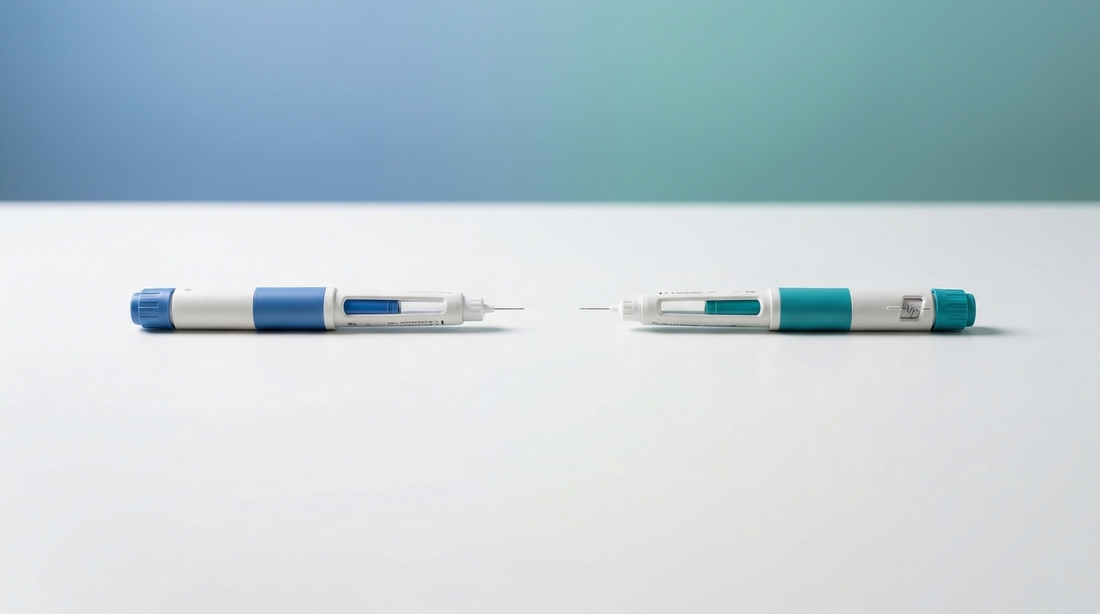
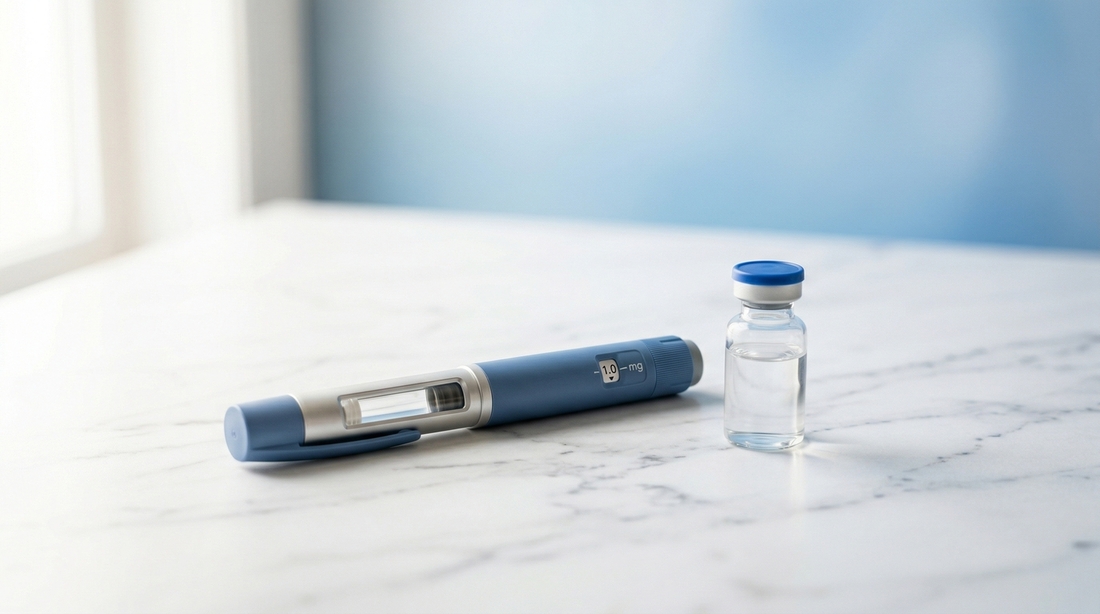
Side-by-side comparison of compounded and branded GLP-1 medications
KEY TAKEAWAYS
In This Article
  1. What is compounded vs. branded GLP-1?
  2. Manufacturer differences explained
  3. FDA status: what it actually means
  4. Active ingredient comparison
  5. Full side-by-side comparison table
  6. Cost comparison with real numbers
  7. Availability and shortage considerations
  8. Insurance coverage landscape
  9. Quality and safety considerations
  10. When to choose compounded vs. branded

What is compounded vs. branded GLP-1?

Compounded GLP-1

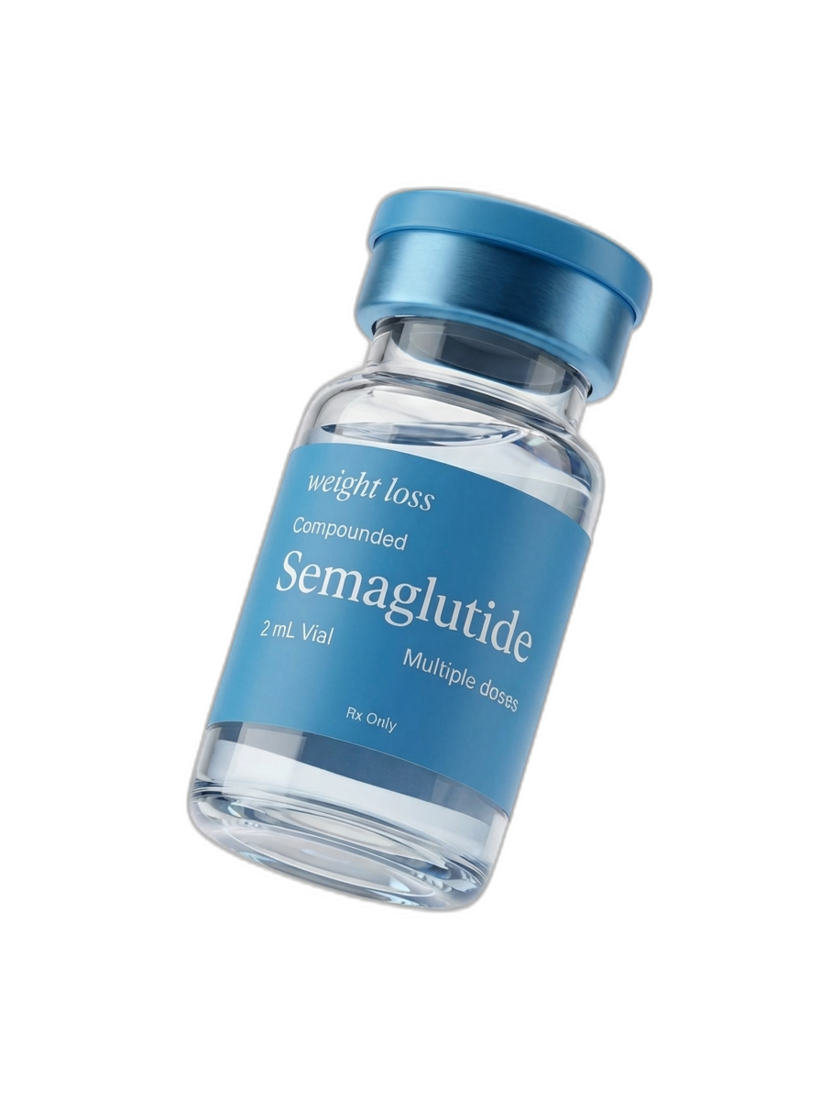
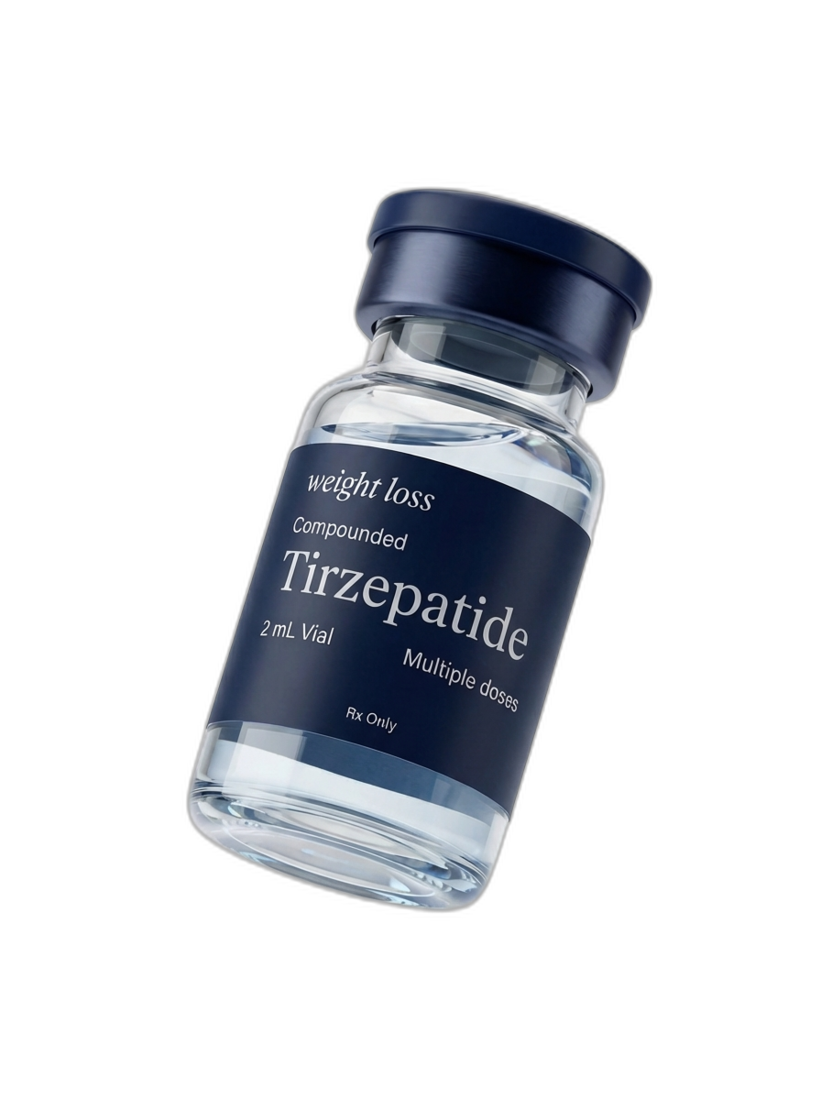
A compounded GLP-1 medication is a prescription drug prepared by a licensed U.S. compounding pharmacy. The pharmacy sources the active pharmaceutical ingredient (semaglutide or tirzepatide) and compounds each medication to the physician's specifications. Compounded medications are regulated by the FDA under 503A and 503B pharmacy regulations.

Branded GLP-1

A branded GLP-1 medication is a commercially manufactured drug that has received individual FDA approval. Examples include Wegovy (semaglutide 2.4 mg, approved for weight management) and Zepbound (tirzepatide, approved for weight management). These are manufactured by Novo Nordisk and Eli Lilly respectively, and dispensed through traditional retail and specialty pharmacies.

The category distinction matters because it shapes cost, availability, insurance dynamics, and the regulatory framework each product operates under. It does not determine the effectiveness of the active ingredient you receive.

Manufacturer differences explained

Branded GLP-1 medications are manufactured by two pharmaceutical companies: Novo Nordisk (semaglutide, sold as Ozempic for diabetes and Wegovy for weight management) and Eli Lilly (tirzepatide, sold as Mounjaro for diabetes and Zepbound for weight management). These companies invest billions of dollars in clinical trials, FDA approval processes, and manufacturing infrastructure. That investment is priced into every prescription.

Compounded GLP-1 medications are prepared by licensed U.S. compounding pharmacies. There are two relevant categories: 503A pharmacies, which compound medications for individual patients based on a specific prescription, and 503B outsourcing facilities, which produce larger quantities and operate under stricter manufacturing standards closer to those of pharmaceutical manufacturers.

The compounding pharmacy sources active pharmaceutical ingredient (API) from FDA-registered suppliers, then prepares the medication in the concentration and volume specified by the prescribing physician. This is the same process used for thousands of other compounded medications that patients have relied on for decades.

FDA status: what it actually means

This is the area that generates the most confusion. The phrase "FDA approved" refers specifically to the individual new drug application (NDA) process that branded medications go through. Wegovy has an FDA-approved NDA. Zepbound has an FDA-approved NDA. Compounded semaglutide does not have an individual NDA, because that is not how compounding works.

Compounding pharmacies are regulated by the FDA under Section 503A and 503B of the Federal Food, Drug, and Cosmetic Act. The pharmacy itself must be licensed by its state board of pharmacy. 503B outsourcing facilities are additionally subject to current Good Manufacturing Practice (cGMP) inspections by the FDA, similar to pharmaceutical manufacturers. Compounded medications still require a valid prescription and are subject to federal and state pharmacy regulations.

During periods when a branded drug appears on the FDA drug shortage list, 503A and 503B pharmacies are explicitly permitted to compound that drug. Semaglutide appeared on the FDA shortage list, which opened legal compounding pathways widely used by telehealth companies. Patients seeking compounded semaglutide should confirm the shortage status remains applicable for the pharmacy they are using.

"The compounded drug is not FDA approved, but the pharmacy preparing it is FDA regulated. These are meaningfully different statements."

See if you qualify for compounded GLP-1 at Kind MD.

2-minute quiz. A licensed U.S. physician reviews your answers personally.

Take the Free Quiz →

Active ingredient comparison

At the molecular level, the active ingredient in compounded semaglutide is the same as the active ingredient in Wegovy: semaglutide. The active ingredient in compounded tirzepatide is the same as in Zepbound: tirzepatide. These are not different drugs. They are the same molecules.

Semaglutide is a glucagon-like peptide-1 (GLP-1) receptor agonist. Its molecular structure, mechanism of action, and pharmacokinetics are defined by the molecule itself, not by who manufactured it. Whether it was produced by Novo Nordisk or a licensed U.S. compounding pharmacy sourcing FDA-registered API, semaglutide activates the same receptors in the same way.

Where variation can exist is in the inactive ingredients (excipients), concentration, and formulation. Branded medications use proprietary formulations developed and tested by the manufacturer. Compounding pharmacies prepare formulations based on established pharmaceutical science. A reputable pharmacy will test each batch for potency, sterility, and purity before dispensing.

Full side-by-side comparison

Here is a direct comparison of the most important factors for patients choosing between compounded and branded GLP-1 medications.

Feature Compounded GLP-1 Branded GLP-1 (Wegovy / Zepbound)
Active ingredient Semaglutide or tirzepatide Semaglutide or tirzepatide
Manufacturer Licensed U.S. compounding pharmacy Novo Nordisk / Eli Lilly
FDA status Pharmacy regulated (503A / 503B) Individually FDA-approved (NDA)
Monthly cost $199 to $349 Lower cost $1,000 to $1,600
Insurance coverage Rarely covered Sometimes, with prior authorization
Availability Generally available More accessible Subject to manufacturer shortages
Dose customization Yes, flexible dosing Flexible Fixed branded doses only
Prescription required Yes Yes
Dispensed by Compounding pharmacy, delivered direct Retail or specialty pharmacy
Molecular identity Identical active ingredient Identical active ingredient

Cost comparison with real numbers

The cost difference between compounded and branded GLP-1 medications is substantial. Most patients pay between $1,000 and $1,600 per month for branded Wegovy or Zepbound at retail without insurance. With insurance and prior authorization, out-of-pocket costs vary but are rarely zero.

Compounded GLP-1
$199
starting per month
Kind MD compounded semaglutide. Includes physician consultation and free shipping.
Branded Wegovy / Zepbound
$1,349
average retail per month
List price without insurance. With insurance, out-of-pocket costs vary and prior authorization is typically required.

Over a full year of treatment, the difference compounds significantly. At $299 per month for compounded versus $1,349 for branded, the annual savings exceeds $12,600. For most patients without robust insurance coverage, this difference is the deciding factor.

80%
Typical savings vs. branded retail pricing
$12K+
Average annual savings per patient
$199
Kind MD starting monthly price

Availability and shortage considerations

Branded GLP-1 medications have experienced repeated supply shortages since demand surged in 2022 and 2023. At peak shortage periods, patients on Wegovy and Ozempic were unable to refill their prescriptions for weeks or months. Eli Lilly's Zepbound similarly faced early availability constraints. Both companies have invested in manufacturing capacity, but supply chain issues remain a real consideration.

Compounding pharmacies are not subject to the same supply constraints because they are not drawing from a single manufacturer's production line. When branded supply tightens, compounded supply typically remains more stable. This is one reason many patients initially turned to compounded options during the height of the shortage period.

It is worth noting that the FDA's oversight of compounding during shortage periods has evolved. Patients and providers should confirm current shortage status and the applicable regulatory framework with their pharmacy before starting or continuing compounded GLP-1 treatment.

Kind MD ships compounded semaglutide and tirzepatide directly to your door.

No insurance required. No pharmacy trips. A licensed U.S. doctor reviews your case first.

Check Availability in Your State →

Insurance coverage landscape

Insurance coverage for GLP-1 weight loss medications has been inconsistent across payers. Medicare Part D explicitly excluded coverage for weight loss medications until recent regulatory changes created limited exceptions. Commercial insurance coverage varies widely, and prior authorization requirements are common even when coverage exists in principle.

Compounded medications are rarely covered by insurance as a category. This is a genuine limitation. However, the practical reality is that many patients who technically qualify for insurance coverage of branded Wegovy or Zepbound still face denial at the initial claim, lengthy prior authorization processes, high deductibles, and copays that bring real out-of-pocket costs well above the $199 to $349 range of compounded alternatives.

For patients whose insurance reliably covers branded GLP-1 with low or no copay, the branded option becomes more financially competitive. For the majority of patients without that coverage, or who have been denied, compounded GLP-1 is the more accessible path to treatment.

Quality and safety considerations

The quality of compounded medications depends directly on the pharmacy that prepares them. This is a legitimate area where patients should ask questions before choosing a compounding pharmacy.

What to look for in a compounding pharmacy

Reputable 503B facilities operate under cGMP standards and conduct mandatory third-party testing before releasing any batch for dispensing. This level of quality control is comparable to standards used in commercial pharmaceutical manufacturing.

Kind MD partners exclusively with 503B-compliant licensed pharmacies in the United States. Every batch is third-party tested. Certificates of analysis are available to patients who request them.

For branded medications, Novo Nordisk and Eli Lilly operate under full pharmaceutical manufacturing standards with decades of track records. The branded pathway carries the most established quality documentation. If quality verification is a primary concern, branded medications offer the most comprehensive transparency through the manufacturer's published data.

When to choose compounded vs. branded

Neither category is universally better. The right choice depends on your specific situation, insurance coverage, budget, access to branded medications in your area, and your physician's recommendation.

Choose compounded GLP-1 if:
  • Insurance does not cover branded GLP-1 or prior authorization was denied
  • The branded medication is unavailable at your local pharmacy
  • Cost is a primary consideration and you are paying out-of-pocket
  • You want flexible dosing tailored to your response
  • You prefer direct-to-door delivery without pharmacy visits
  • You are starting GLP-1 treatment for the first time and want a lower-cost entry point
Choose branded GLP-1 if:
  • Your insurance covers it with minimal copay after prior authorization
  • Your physician has a specific clinical reason to prefer the branded formulation
  • You want the most extensively documented long-term safety record
  • Your pharmacy has consistent, reliable branded supply in your area
  • You have previously been on a branded medication and are stable on it

A conversation with your licensed provider is the right starting point. At Kind MD, our physicians review your medical history, current medications, and goals before recommending a treatment path. There is no one-size-fits-all answer, but for the majority of patients seeking accessible, affordable GLP-1 treatment without insurance barriers, compounded semaglutide or tirzepatide is the practical choice.


Medically Reviewed by Kind MD Team This article was reviewed for clinical accuracy by Kind MD's board-certified physician team. Content is updated to reflect current FDA guidance and clinical standards. Last reviewed April 2026.

How Kind MD Sources Compounded GLP-1

Kind MD works exclusively with licensed U.S. compounding pharmacies that hold 503B outsourcing facility status. Every batch is third-party tested for potency, sterility, and purity before dispensing. Certificates of analysis are available upon request.

All prescriptions require evaluation by a Kind MD board-certified physician. We do not sell or ship medication without a valid prescription issued following a clinical review. Kind MD has no affiliation with Novo Nordisk or Eli Lilly. Compounded products are not made by or associated with those manufacturers.

Frequently Asked Questions

Is compounded semaglutide the same as Wegovy?
Compounded semaglutide contains the same active ingredient as Wegovy: semaglutide. The difference is manufacturer, not molecule. Wegovy is manufactured by Novo Nordisk under FDA approval. Compounded semaglutide is prepared by licensed U.S. compounding pharmacies operating under FDA pharmacy regulations (503A or 503B). The active ingredient is chemically identical at the molecular level.
Why is compounded GLP-1 so much cheaper than Wegovy or Zepbound?
Brand-name medications like Wegovy and Zepbound carry the cost of years of clinical trials, FDA approval processes, marketing, and patent protection. Compounding pharmacies source the active pharmaceutical ingredient and prepare each medication to order, without those added costs. The result is significantly lower pricing, typically $199 to $349 per month versus $1,000 to $1,600 for branded versions.
Is compounded GLP-1 FDA approved?
Compounded medications are not individually FDA-approved in the way branded drugs are. However, the compounding pharmacies that prepare them are regulated by the FDA under Section 503A and 503B of the Federal Food, Drug, and Cosmetic Act. 503B outsourcing facilities follow current Good Manufacturing Practice (cGMP) standards similar to pharmaceutical manufacturers. Every compounded prescription requires a valid prescription from a licensed provider.
Does insurance cover compounded semaglutide?
Insurance rarely covers compounded medications. However, branded GLP-1 medications like Wegovy and Zepbound are also frequently denied or require prior authorization. Many patients who qualify for insurance coverage of branded GLP-1s still face high out-of-pocket costs after copays and deductibles. Compounded GLP-1 at $199 to $349 per month is often more affordable in practice even for patients with insurance.
Can I switch from Wegovy to compounded semaglutide?
Many patients switch from branded to compounded semaglutide, particularly when facing insurance denials, high out-of-pocket costs, or supply shortages. Your current dose can typically be matched in the compounded formulation. A licensed provider should review your history before any transition to ensure dosing continuity and safety.
Are there quality differences between compounded and branded GLP-1?
Quality depends on the pharmacy, not the category. Licensed 503B outsourcing facilities operate under cGMP standards with third-party testing requirements. Reputable compounding pharmacies test each batch for potency, sterility, and purity before dispensing. The key is verifying that your pharmacy holds the appropriate state licensure and accreditations. Kind MD partners exclusively with 503B-compliant licensed pharmacies in the United States.

Start GLP-1 Treatment for $199 / Month

Take a free 2-minute quiz. A Kind MD physician reviews your answers and, if you qualify, issues a prescription. Medication ships directly to your door.

Get Started →
Prescription required. Results vary. Compounded medications are not FDA-approved.