Compounded semaglutide starting at $199/mo. No insurance needed.
← Back to Resources
Pricing Guide

GLP-1 Without Insurance: Your Complete Options Guide

By Kind MD Team | April 9, 2026 | 9 min read
Last reviewed: April 2026
GLP-1 medication options without insurance
KEY TAKEAWAYS
In This Article
  1. Why insurance rarely covers GLP-1 for weight loss
  2. 5 proven paths to affordable GLP-1
  3. Cost comparison: all 5 options side by side
  4. How to appeal your insurance denial
  5. Red flags to avoid
  6. Kind MD's transparent cash pricing
  7. Frequently asked questions
The Bottom Line

If your insurance won't cover GLP-1 medication, you are not stuck. Millions of Americans access semaglutide and tirzepatide every month without insurance. This guide walks through every legitimate option, what each one costs, and exactly how to use it.

Ozempic, Wegovy, Zepbound, and Mounjaro are among the most effective medications ever developed for weight loss. Clinical trials show average body weight reductions of 15 to 22.5 percent. And yet, getting insurance to pay for them is one of the most frustrating experiences in modern healthcare.

If you have already hit a wall with your insurer, or if you suspect coverage is not coming, this is the guide you need. We will cover every realistic option, including the one that most people start with.

Why insurance rarely covers GLP-1 for weight loss

Insurance companies have three primary reasons for denying GLP-1 coverage, and understanding them helps you respond strategically.

The "cosmetic treatment" classification

Despite overwhelming clinical evidence that obesity is a chronic disease with serious cardiovascular, metabolic, and orthopedic consequences, many insurance plans still classify weight loss treatment as cosmetic or elective. This determination is made at the plan level, not by your doctor, and it can apply even when you have documented comorbidities.

Prior authorization requirements

Plans that do cover GLP-1 medications typically require prior authorization before they will pay. This means your provider must submit documentation showing that you meet specific criteria, such as a BMI over 30, or over 27 with a qualifying comorbidity, and that you have tried and failed other weight loss interventions. The process can take weeks, and initial denials are common even when criteria are met.

Formulary exclusions

Many employer-sponsored health plans simply do not include GLP-1 weight loss medications on their formulary at all. This is a plan-level decision driven by cost. Wegovy and Zepbound retail for over $1,300 per month, and employers covering these drugs for large workforces face significant cost increases. As of 2025, fewer than half of employer plans covered GLP-1 medications for weight management.

$1,349
Retail cost of Wegovy per month without coverage
<50%
Employer plans covering GLP-1 for weight loss as of 2025
40%
Of insurance denials successfully reversed on first appeal

5 proven paths to affordable GLP-1

1

Compounded semaglutide or tirzepatide

$199 to $500/mo

Compounded GLP-1 medications are produced by FDA-registered 503A and 503B pharmacies using pharmaceutical-grade active ingredients. The compound contains the same active molecule as Wegovy or Zepbound, at a fraction of the brand-name price.

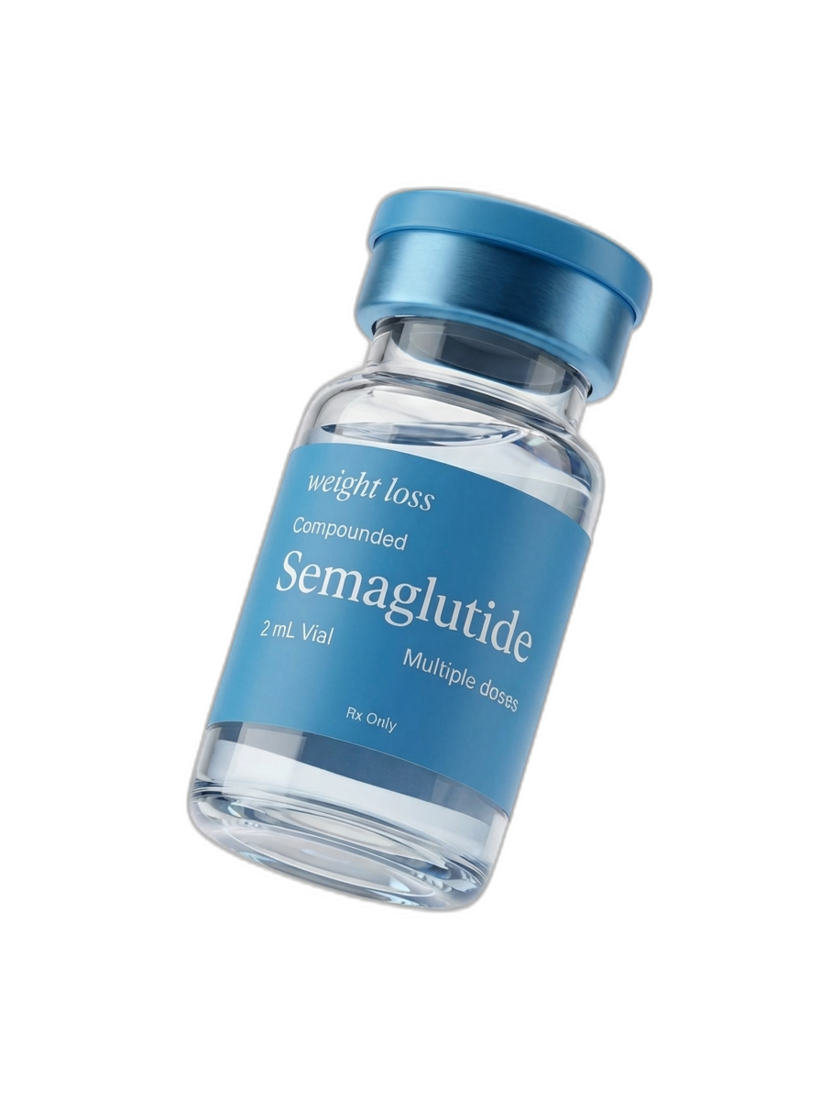
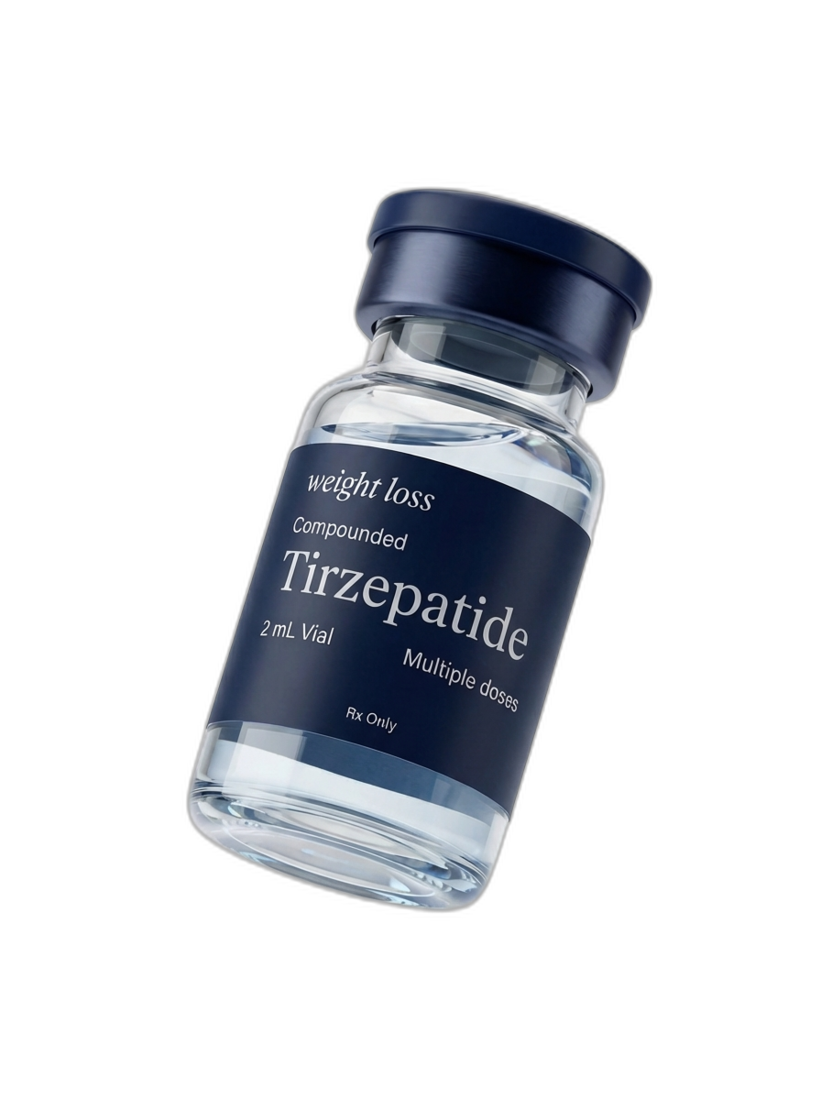
This is the most widely used option for people paying out of pocket, and for good reason. The cost difference is dramatic. Compounded semaglutide starts at around $199 per month for starter doses, compared to $1,349 for brand-name Wegovy. Compounded tirzepatide is similarly priced.

To access compounded GLP-1, you need a prescription from a licensed US provider. Telehealth platforms like Kind MD handle the full process online: intake, provider review, prescription, and pharmacy fulfillment, with the medication shipped directly to your door.

What to look for: Always confirm your provider sources from a licensed 503A or 503B pharmacy and that the compound is semaglutide base (not semaglutide sodium or semaglutide acetate, which are not equivalent).

2

Manufacturer savings programs

$0 to $200/mo (with commercial insurance)

Novo Nordisk (Wegovy) and Eli Lilly (Zepbound) both offer savings card programs that can significantly reduce out-of-pocket costs. The key nuance is that these programs are generally available to people with commercial insurance, including plans that cover the drug but require a high copay.

The Wegovy savings card has historically allowed eligible patients to pay as little as $0 per month for up to 13 fills, though eligibility rules and maximum savings caps change periodically. Eli Lilly's Zepbound savings program operates similarly.

Important limitation: These programs are not available to Medicare, Medicaid, or uninsured patients in most cases. If your plan excludes GLP-1 medications from the formulary entirely, savings cards typically will not apply. Always verify current eligibility at the manufacturer's official website before assuming you qualify.

3

HSA and FSA funds

20 to 40% effective discount on your out-of-pocket cost

If you have a Health Savings Account (HSA) or Flexible Spending Account (FSA), you can use those pre-tax dollars to pay for prescription GLP-1 medications, including compounded versions, as long as you have a valid prescription from a licensed provider.

The savings are real. If you are in the 22 percent federal tax bracket, using HSA or FSA funds on a $300/mo prescription effectively costs you around $234 after the tax advantage. Depending on your state income tax rate and total bracket, the discount can reach 30 to 40 percent.

HSA funds roll over indefinitely, making them an especially efficient vehicle for ongoing prescription costs. FSA funds typically have a use-it-or-lose-it structure, so plan your spending accordingly.

4

Canadian and international pharmacies

$300 to $700/mo (brand-name Ozempic)

Brand-name semaglutide (marketed as Ozempic in Canada) is available at significantly lower prices through licensed Canadian pharmacies. Many Americans have used this route to access GLP-1 medication, and some telehealth providers operate formal cross-border prescription services.

Legal caveats: The FDA technically prohibits importing prescription medications for personal use, though enforcement against individual consumers has been minimal historically. Ordering from an unverified international source carries real risks: counterfeit products, inconsistent potency, and no quality controls. If you pursue this route, use only pharmacies verified by the Canadian International Pharmacy Association (CIPA) or PharmacyChecker, and always have a valid prescription from a US licensed provider.

This option is best treated as a stopgap for people already on a stable brand-name dose who cannot afford US retail pricing, not as a starting point.

5

Appeal your insurance denial

$0 if successful (worth attempting before any other option)

Insurance denials are not final. The appeal process is formal, but it works. Studies have found that roughly 40 percent of insurance denials are reversed on the first internal appeal when properly documented. If your insurer denies your internal appeal, you have the right to an independent external review.

The appeal process takes time (typically 30 to 60 days for standard appeals, shorter for expedited urgent appeals), but if your insurer does cover GLP-1 medication in any form, winning an appeal means you pay only your normal cost-sharing. The potential savings over a year or more of treatment make the effort worthwhile.

See the full appeal guide below for step-by-step instructions.

Cost comparison: all 5 options side by side

Option Monthly Cost Legitimacy How to Access Best For
Compounded semaglutide / tirzepatide $199 to $500 Legal with prescription; 503B pharmacy required Licensed telehealth provider (e.g., Kind MD) Most people without coverage; fastest start
Manufacturer savings programs $0 to $200 Fully legal; manufacturer-sponsored Wegovy.com or Zepbound.lilly.com with commercial insurance People with commercial insurance and high copay
HSA / FSA Your cost minus 20 to 40% Fully legal with valid prescription Use existing HSA/FSA card at pharmacy or telehealth checkout Anyone with an HSA or FSA account
Canadian / international pharmacy $300 to $700 Legal gray area; use CIPA-verified pharmacies only CIPA or PharmacyChecker-listed pharmacy with US prescription People on stable brand-name dose, price-shopping
Insurance appeal $0 if successful Fully legal; patient right under ACA Submit formal appeal with medical documentation Anyone with an insurance denial worth fighting

Kind MD offers transparent cash pricing for compounded semaglutide and tirzepatide, starting at $199/mo.

Licensed US providers. 503B pharmacy. Ships nationwide. No surprise fees.

Check My Eligibility →

How to appeal your insurance denial

An insurance denial comes with an Explanation of Benefits (EOB) and a denial letter. Both documents contain the specific reason for denial and information about your right to appeal. Start there.

The step-by-step process

  1. Understand why you were denied. The denial letter will list a reason code. Common ones include "not medically necessary," "cosmetic treatment," "formulary exclusion," or "prior authorization required." Each reason requires a different appeal strategy.
  2. Request a complete copy of your plan's coverage criteria. Call member services and ask for the clinical coverage guidelines for weight management medications. These are the exact standards your provider needs to document against.
  3. Get a letter of medical necessity from your provider. This letter should include your diagnosis codes (E66.01 for morbid obesity, E11 for type 2 diabetes, I10 for hypertension, etc.), your BMI, any comorbidities, and a clinical rationale for why GLP-1 medication is medically necessary in your case. Reference the STEP and SURMOUNT-1 clinical trial data.
  4. Document prior treatment attempts. Your plan may require evidence that you tried other weight loss interventions first. Compile any records of supervised diet programs, behavioral counseling, or other medications you have used.
  5. Submit your internal appeal in writing. Include your letter of medical necessity, diagnosis codes, relevant lab work (A1C, lipid panel, blood pressure records), and a written appeal letter referencing the clinical evidence. Send via certified mail and keep copies of everything.
  6. If denied again, request an external review. Under the Affordable Care Act, you have the right to an independent external review of any denial. An independent organization, not your insurer, makes the determination. External reviews overturn internal denials in a meaningful percentage of cases.
Appeal Letter Template: What to Include

Patient name, member ID, claim number, and the specific drug being requested. Your diagnosis (ICD-10 codes). Your BMI and any comorbidities. A statement that GLP-1 medication is medically necessary per the clinical evidence (cite STEP 1 trial for semaglutide, SURMOUNT-1 for tirzepatide). Documentation of prior weight loss attempts. A request that the denial be overturned and coverage approved. Your provider's signature and NPI number.

Most commercial insurers have an internal appeals process that runs 30 to 60 days for standard appeals, and 72 hours for expedited urgent appeals. Use the expedited process only if your provider documents that a delay would seriously jeopardize your health.

Red flags to avoid

Not every source offering GLP-1 at a low price is legitimate. The stakes are high: counterfeit or contaminated injectables carry serious health risks. These are the warning signs to watch for.

Safety Note

The FDA has issued multiple warnings about counterfeit semaglutide products. Always verify that your provider is licensed in your state and that your medication ships from a US-registered 503A or 503B pharmacy. If something about a supplier's pricing or process seems off, trust that instinct.

Kind MD's transparent cash pricing

Kind MD was built for patients who are paying out of pocket. Our model is simple: no hidden fees, no upsells, no bait-and-switch pricing. You know exactly what you are paying before you start.

Here is what your Kind MD subscription includes:

Starter doses begin at $199 per month. Pricing scales with your maintenance dose, which most patients reach after the first three to four months of treatment. We accept HSA and FSA cards and provide documentation you can use for insurance reimbursement requests.

We built Kind MD because we believe access to effective weight loss treatment should not depend on what insurance your employer chose.


Reviewed by the Kind MD Clinical Team This guide reflects current insurance landscape data, FDA guidance on compounded GLP-1 medications, and manufacturer savings program terms as of April 2026. Terms of savings programs and insurance policies change. Always verify current eligibility directly with your insurer or manufacturer.

A note on medical accuracy

The information in this guide is for educational purposes and reflects publicly available insurance industry data, FDA regulatory guidance, and manufacturer program terms as of April 2026. It is not a substitute for personalized medical or financial advice.

Insurance coverage rules, formulary decisions, and manufacturer savings programs change frequently. Always verify current terms directly with your insurance plan, your provider, and the relevant manufacturer before making decisions based on this information.

Frequently asked questions

Can I get GLP-1 medication without insurance?
Yes. You can access GLP-1 medications without insurance through compounded semaglutide or tirzepatide from licensed telehealth providers starting at $199/mo, manufacturer savings programs, HSA or FSA accounts, or by appealing your insurance denial. You do not need insurance coverage to start treatment.
How much does compounded semaglutide cost without insurance?
Compounded semaglutide from licensed 503B pharmacies typically costs between $199 and $350 per month depending on your dose and provider. This is significantly less than the $1,349/mo retail price of brand-name Wegovy. The cost difference exists because compounded pharmacies produce the medication without the brand-name markup, not because the active ingredient is different.
Why won't insurance cover my GLP-1 medication?
Most insurance plans classify GLP-1 medications for weight loss as a cosmetic or lifestyle treatment rather than a medical necessity. Many plans require prior authorization and documentation of failed alternative treatments before approving coverage. Some employer-sponsored plans exclude weight loss drugs entirely from their formulary as a cost-control measure.
Is compounded semaglutide safe and legal?
Compounded semaglutide prepared by FDA-registered 503B outsourcing facilities is legal and produced under strict pharmaceutical-grade standards. The compound contains the same active ingredient as Wegovy. Always verify that your provider sources from a licensed 503A or 503B pharmacy, that the compound is semaglutide base (not a salt form), and that you have a valid prescription from a licensed US provider.
Can I use my HSA or FSA to pay for GLP-1 medication?
Yes. If a licensed provider prescribes GLP-1 medication for a qualifying medical condition such as obesity or type 2 diabetes, you can use HSA or FSA funds to cover the cost. This can reduce your effective out-of-pocket cost by 20 to 40 percent depending on your tax bracket. Kind MD provides receipts and documentation compatible with HSA and FSA reimbursement.
What should I include in a GLP-1 insurance appeal letter?
An effective appeal letter should include your diagnosis codes (E66 for obesity), your BMI, documentation of comorbidities such as hypertension or pre-diabetes, a letter of medical necessity from your provider, records of any prior weight loss attempts, and a request citing the clinical evidence from STEP and SURMOUNT-1 trials. Many appeals succeed on the first or second try when properly documented. If your internal appeal is denied, request an independent external review, which you are entitled to under the Affordable Care Act.

Sources

  1. Wilding JPH, et al. Once-Weekly Semaglutide in Adults with Overweight or Obesity. New England Journal of Medicine. 2021;384:989-1002. STEP 1 trial.
  2. Jastreboff AM, et al. Tirzepatide Once Weekly for the Treatment of Obesity. New England Journal of Medicine. 2022;387:205-216. SURMOUNT-1 trial.
  3. FDA. Compounded Drug Products That Are Copies of Commercially Available Drug Products Under Section 503B. U.S. Food and Drug Administration, 2024.
  4. KFF Health Tracking Poll. Employer Health Benefits Survey, 2025 Annual Survey. Kaiser Family Foundation.
  5. American Medical Association. Resolution 420: Coverage for Obesity Treatment. AMA House of Delegates, 2022.

Ready to start without waiting on insurance?

Answer a few questions about your health history. Our licensed providers review your case and get you started within 24 hours.

Check My Eligibility →