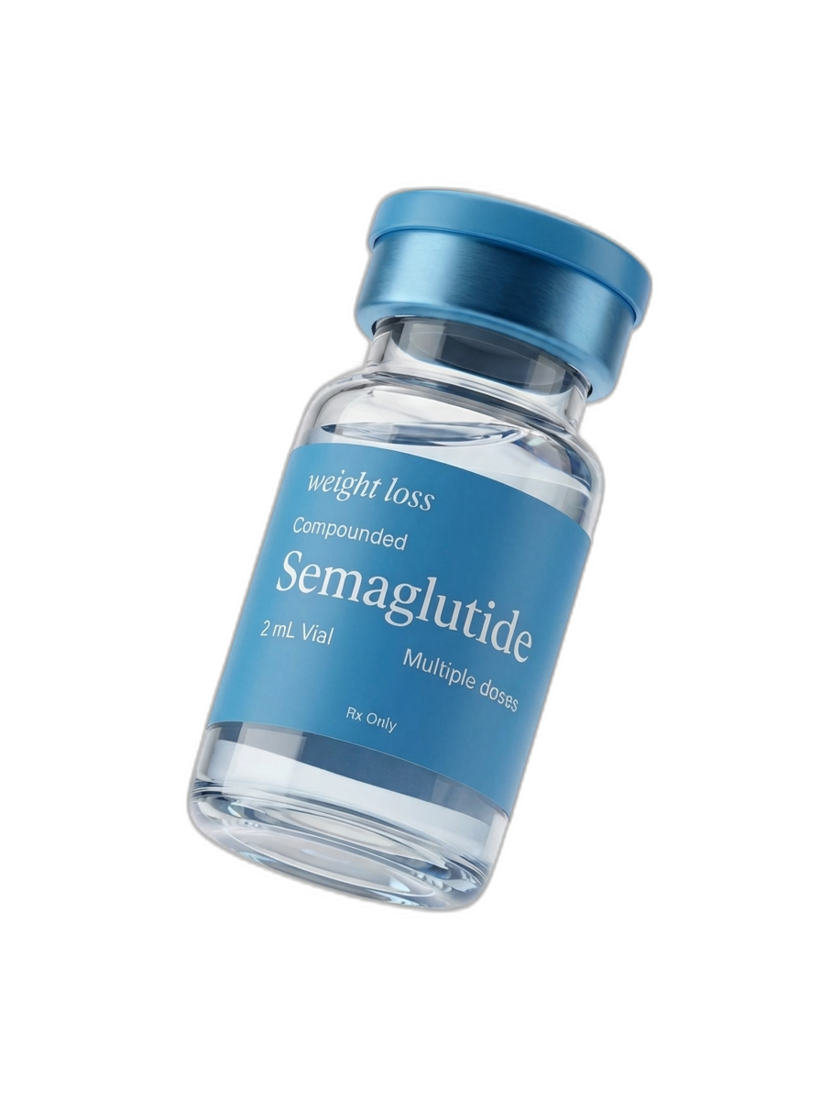
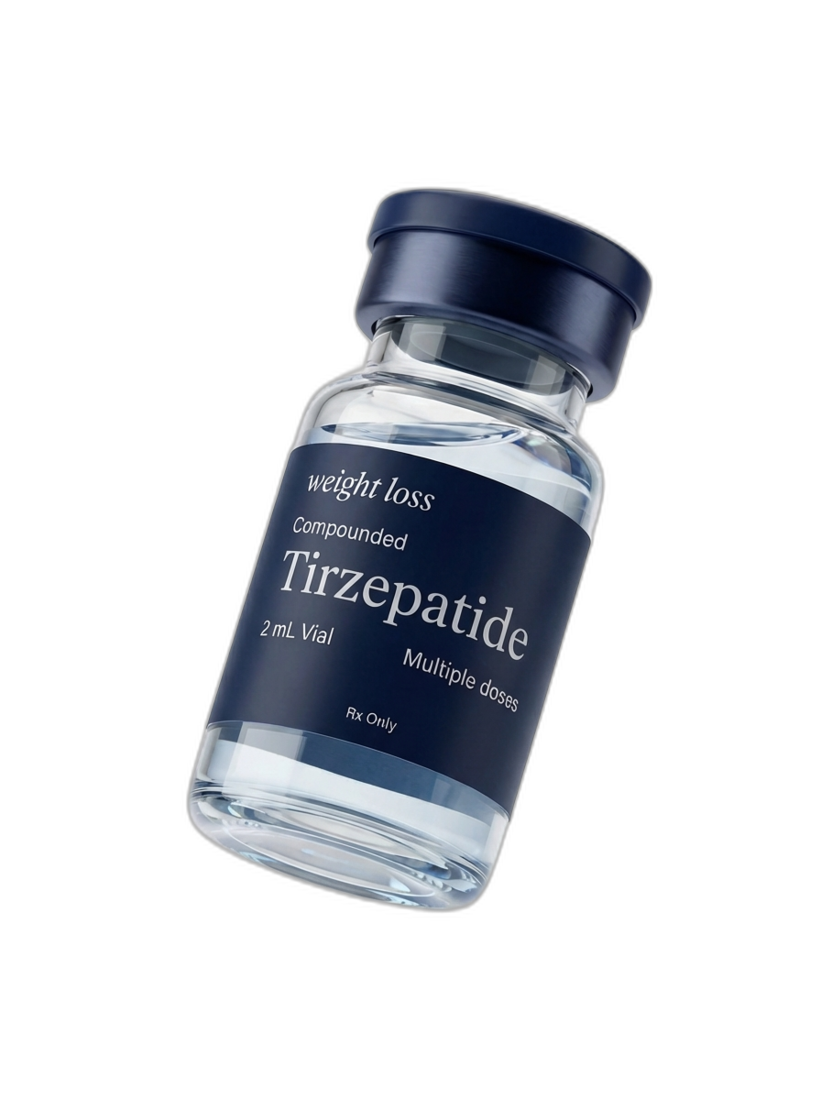
- Compounded semaglutide is a patient-specific pharmacy preparation, not an FDA-approved generic or the same product as Wegovy or Ozempic.
- Cost varies by dose, coverage, savings eligibility, pharmacy, and provider program. Compare current all-in prices for the exact product prescribed.
- The FDA regulates compounding pharmacies, not individual compounded products. 503B outsourcing facilities follow cGMP standards, the same framework governing FDA-approved drug manufacturers.
- A valid prescription from a licensed provider is required. No legitimate pharmacy sells compounded semaglutide without one.
- Compounded semaglutide is appropriate for adults with BMI 30 or higher, or BMI 27 or higher with a weight-related condition such as high blood pressure or prediabetes.
- What is compounded semaglutide?
- How does compounded semaglutide work?
- Is compounded semaglutide safe?
- How much does compounded semaglutide cost?
- Compounded vs. brand-name: what's the difference?
- Who qualifies for compounded semaglutide?
- What to expect: dosing and timeline
- Common side effects
- How to choose a safe provider
What is compounded semaglutide?
Compounded semaglutide is a patient-specific preparation made by a licensed compounding pharmacy under a valid prescription. It is not an FDA-approved generic or the same drug product as Ozempic or Wegovy, and FDA does not review compounded products for safety, effectiveness, or quality before marketing.
Here is the clearest way to understand it. Ozempic and Wegovy are FDA-approved Novo Nordisk drug products with reviewed formulations, manufacturing, labeling, and delivery systems. A compounded semaglutide preparation follows a different pathway and may have a different concentration, ingredient form, dosing units, and delivery format.
Compounded semaglutide is not a generic drug. Generics are copies of FDA-approved products that go through their own FDA approval process. Compounded medications are custom-prepared by pharmacies and exist under a separate legal framework entirely. They are neither knockoffs nor black market products when dispensed by a licensed facility with a valid prescription in hand.
503A vs. 503B pharmacies
Not all compounding pharmacies operate the same way. The FDA distinguishes between two types under the Food, Drug, and Cosmetic Act:
- 503A pharmacies are traditional compounding pharmacies that prepare medications for individual patients based on a specific prescription. They are primarily regulated by state boards of pharmacy. Quality standards vary more across this category.
- 503B outsourcing facilities are held to much stricter federal oversight. They must comply with current good manufacturing practice (cGMP) standards, the same quality framework required of FDA-approved drug manufacturers. They are regularly inspected by the FDA and may produce larger quantities without patient-specific prescriptions.[3]
When evaluating any compounded semaglutide provider, knowing which type of pharmacy they work with matters. 503B facilities represent the highest standard of quality assurance available in compounding.
How does compounded semaglutide work?
Semaglutide acts as a GLP-1 receptor agonist. GLP-1 is a hormone your gut naturally produces after eating. It tells your brain you are full, slows how quickly your stomach empties, and triggers insulin release while suppressing glucagon. A compounded preparation is not the same FDA-approved product as Ozempic or Wegovy, so confirm the ingredient form, concentration, and dosing instructions with your provider and pharmacy.
Three pathways drive the weight loss effect:
- Appetite suppression: Semaglutide activates GLP-1 receptors in the hypothalamus, the part of your brain that governs hunger and energy balance. The result is a meaningful reduction in food preoccupation and calorie intake without constant willpower effort.[8]
- Delayed gastric emptying: Food stays in your stomach longer, keeping you physically satisfied between meals. This is also why mild nausea is common early in treatment.
- Blood sugar regulation: Semaglutide stimulates insulin release when blood sugar rises and suppresses glucagon, smoothing out the spikes and crashes that drive cravings throughout the day.
For a deeper look at how GLP-1 works in your body, read our full explainer: Understanding GLP-1: How It Actually Works.
Is compounded semaglutide safe?
This is the right question to ask. The honest answer has two parts: the molecule itself, and the manufacturing quality.
The active ingredient has an extensive safety record
Semaglutide is one of the most studied weight loss drugs in modern medicine. The STEP clinical trial program enrolled nearly 5,000 adults and tracked outcomes over 68 to 104 weeks. STEP 1, published in the New England Journal of Medicine in 2021, showed that semaglutide produced an average 14.9% body weight loss with a well-characterized side effect profile.[4] Fewer than 5% of participants stopped treatment due to adverse events. Serious events were rare and monitored closely.
The SELECT cardiovascular trial, published in 2023, followed over 17,000 adults for nearly four years and confirmed semaglutide's safety in a high-risk population with established heart disease.[7] The active ingredient, semaglutide, is not in question.
The regulatory reality of compounding
The FDA does not approve individual compounded drug products. That is what makes them different from brand-name medications. However, the FDA does regulate compounding pharmacies. It sets quality standards, conducts inspections, and has issued guidance about which compounding facilities meet federal requirements.[2]
In 2024, the FDA warned consumers about certain compounded semaglutide products from unregistered facilities and those using unapproved salt forms of the molecule.[11] This warning is important because it illustrates exactly what to look for and avoid. The concern is not compounding broadly. It is unregulated sources with no pharmacy oversight, no prescription requirement, and no quality verification.
"The active ingredient in compounded semaglutide is FDA-approved. The compounded preparation follows a separate regulatory pathway, not an unregulated one."
When a 503B outsourcing facility prepares semaglutide under cGMP standards, the quality controls in place are comparable to those governing FDA-approved manufacturing. Sterility testing, potency verification, and certificate of analysis documentation are standard practice at accredited facilities. That is a fundamentally different situation from buying from an unverified online source.
How much does compounded semaglutide cost?
Out-of-pocket cost is an important consideration, but online price ranges age quickly as manufacturer savings programs, insurance coverage, pharmacy pricing, and provider programs change.
Insurance coverage for brand-name GLP-1 medications is inconsistent and often unavailable for weight loss. Ozempic is approved for type 2 diabetes, so insurers sometimes cover it for that indication. Wegovy is approved for weight management, but many plans specifically exclude weight loss medications from coverage. The result is that a large portion of eligible patients face the full $1,300 monthly cost out of pocket.
Compounded program pricing depends on dose, provider, and dispensing pharmacy. Brand out-of-pocket cost depends on insurance and savings eligibility. Verify both at the time of prescribing instead of relying on an older article price.
Kind MD is transparent about pricing before you commit to anything. Your telehealth evaluation includes a full breakdown of monthly costs at each dose tier.
See if compounded semaglutide is right for you.
Start with our free 2-minute quiz to explore treatment options.
Take the Free Quiz →Compounded semaglutide vs. brand-name: what is the difference?
The core molecule is the same. The differences come down to who makes it, how it is regulated, what it costs, and how available it is. Here is a direct comparison.
| Feature | Compounded Semaglutide | Brand Wegovy | Brand Ozempic |
|---|---|---|---|
| Active ingredient | Semaglutide | Semaglutide | Semaglutide |
| Cost per month | $200 to $500 | $1,300+ | $900+ |
| Insurance coverage | No | Sometimes (weight loss indication) | Sometimes (diabetes only) |
| FDA status | Pharmacy-regulated (503A or 503B) | FDA-approved (weight management) | FDA-approved (type 2 diabetes) |
| Availability | Widely available through licensed providers | FDA shortage resolved in 2025 | FDA shortage resolved in 2025 |
| Prescription required | Yes | Yes | Yes |
| Manufacturer | Licensed compounding pharmacy | Novo Nordisk | Novo Nordisk |
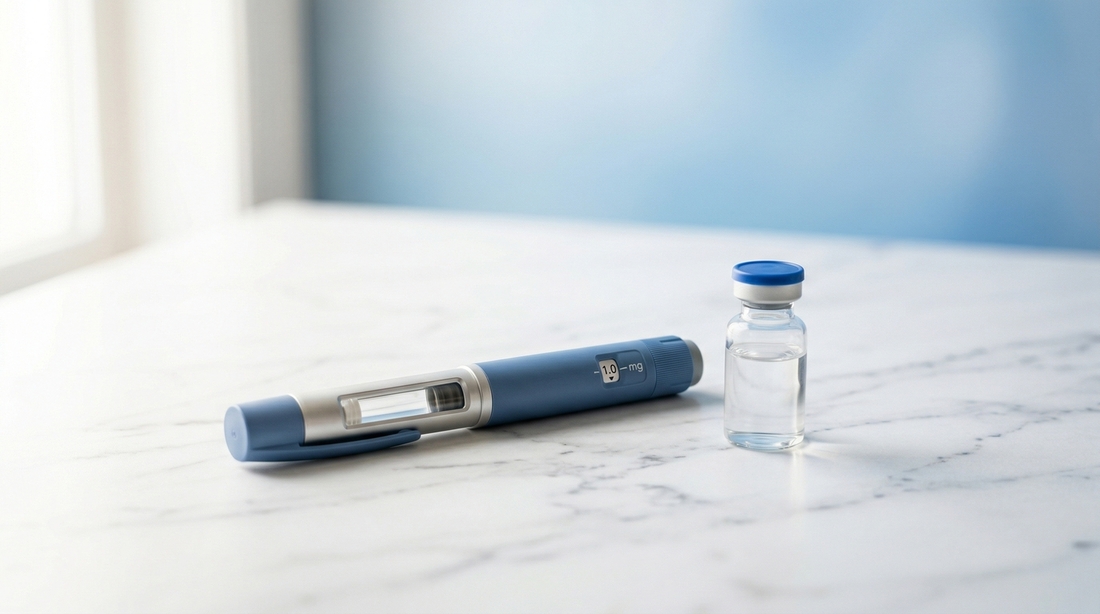
The most important practical difference is delivery format. Brand-name Wegovy comes in a disposable auto-injector pen that is pre-filled and calibrated. Compounded semaglutide is typically dispensed as a multi-dose vial with separate syringes. Both are administered as once-weekly subcutaneous injections. Your provider will walk you through the process at onboarding.
Who qualifies for compounded semaglutide?
The eligibility criteria mirror the clinical evidence and FDA-approved indications for semaglutide as a weight management tool. At Kind MD, a licensed provider evaluates your full health history before any prescription is written.
You may qualify if you have:
- BMI of 30 or higher, regardless of other health conditions, or
- BMI of 27 or higher with at least one weight-related comorbidity, such as high blood pressure, prediabetes, type 2 diabetes, high cholesterol, or obstructive sleep apnea
Semaglutide is generally not appropriate if you have a personal or family history of medullary thyroid carcinoma or multiple endocrine neoplasia syndrome type 2 (MEN2). It is also not indicated during pregnancy. Your provider will review your complete medical history, current medications, and any contraindications during your evaluation.
The Kind MD evaluation process
Start with Kind MD's short quiz. A licensed provider evaluates whether treatment is clinically appropriate for you. If approved, a licensed pharmacy fulfills and ships the prescription.
No in-person visit required. No waiting room. Your provider is a real licensed clinician, not an algorithm.
What to expect: dosing and timeline
Compounded semaglutide follows the same dose escalation protocol as the brand-name version. You start low and increase gradually every four weeks. This approach minimizes side effects while giving your body time to adapt. Do not rush the escalation. Slower is almost always better for tolerance and long-term adherence.
Here is a general timeline for most patients:
- Weeks 1 to 4 (0.25mg weekly): Starting dose. Appetite suppression begins for most patients within the first one to two weeks. Some mild nausea or fatigue is common as your body adjusts. This is expected and typically resolves within the first month.
- Weeks 5 to 8 (0.5mg weekly): First dose increase. Appetite reduction strengthens. Most patients report noticeable food noise reduction. Weight loss in this phase typically runs 3 to 6 pounds on average.
- Weeks 9 to 16 (0.5mg to 1mg weekly, as tolerated): Escalation continues based on your response and your provider's guidance. Weight loss accelerates. Energy often stabilizes as blood sugar swings even out.
- Month 4 and beyond (maintenance dose): Most patients reach their therapeutic maintenance dose somewhere between months three and five. Weight loss continues to build. Results are sustained as long as treatment continues.[9]
Clinical trial data from the STEP 1 study shows that patients on semaglutide lost an average of 14.9% of body weight over 68 weeks compared to 2.4% on placebo.[4] That is roughly 37 pounds for someone starting at 250 pounds. And that is the average. More than a third of participants lost 20% or more.
Real results depend on your starting weight, your diet and movement habits, and how your body responds to the medication. Patients who prioritize protein intake and consistent activity during treatment tend to see the strongest outcomes and preserve more muscle mass during weight loss. Your Kind MD provider monitors your progress and adjusts the plan accordingly.
Common side effects
Compounded semaglutide may cause the gastrointestinal and other adverse effects associated with semaglutide, and compounded products can add risks related to concentration, dosing errors, storage, or ingredient form. Review the dispensing label and instructions carefully and contact your provider if symptoms are severe or persistent.
Serious side effects are rare. Across the STEP clinical trials, fewer than 5% of patients discontinued treatment due to adverse events.[4] Pancreatitis was observed at similar rates in semaglutide and placebo groups. GLP-1 medications are contraindicated in patients with a personal or family history of medullary thyroid carcinoma or MEN2.
For a full breakdown of side effects and practical management strategies, see our dedicated article on The Research Behind Semaglutide.
How to choose a safe provider
The compounded semaglutide market is not all the same. The difference between a trustworthy provider and a risky one comes down to a handful of specific signals.
Red flags to avoid
- No medical consultation required before prescribing
- No licensed physician or NP reviewing your history
- Ships without a valid prescription
- Cannot identify which pharmacy they use or whether it is 503A or 503B accredited
- Prices significantly below market rates (below $150/month for any semaglutide dose)
- No certificate of analysis or lab testing documentation available
- Product described as "research chemical" or "peptide" rather than pharmaceutical semaglutide
Green flags that signal quality
- Telehealth evaluation with a licensed physician or nurse practitioner before prescribing
- Works with an NABP-accredited or FDA-registered 503B outsourcing facility[12]
- Transparent about pharmacy name, location, and quality documentation
- Provides ongoing provider support and dose adjustment check-ins
- Clear pricing with no hidden fees
- Does not require you to buy supplements, coaching programs, or bundles to access medication
At Kind MD, every prescription is written by a board-certified physician or licensed NP after a thorough clinical review. We work exclusively with licensed U.S. compounding pharmacies that meet strict quality standards. Your provider is available throughout treatment for questions, dose adjustments, and follow-up. That is how telehealth weight loss care should work.