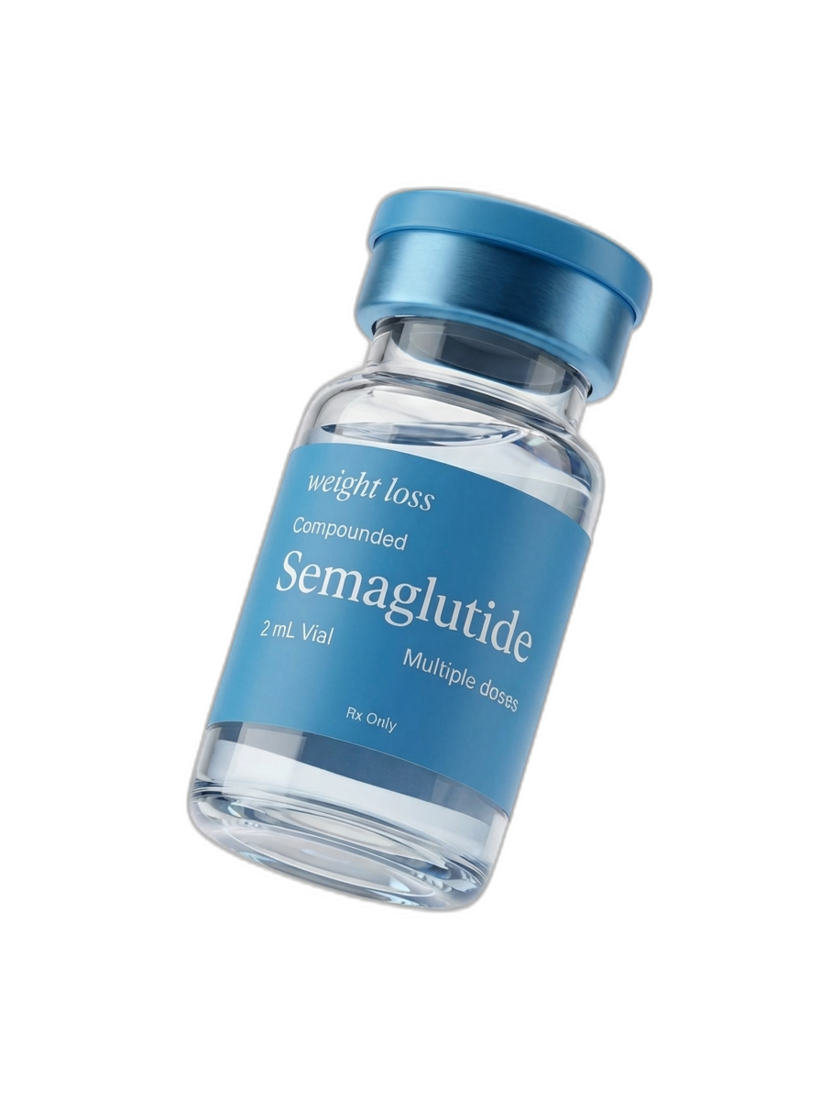
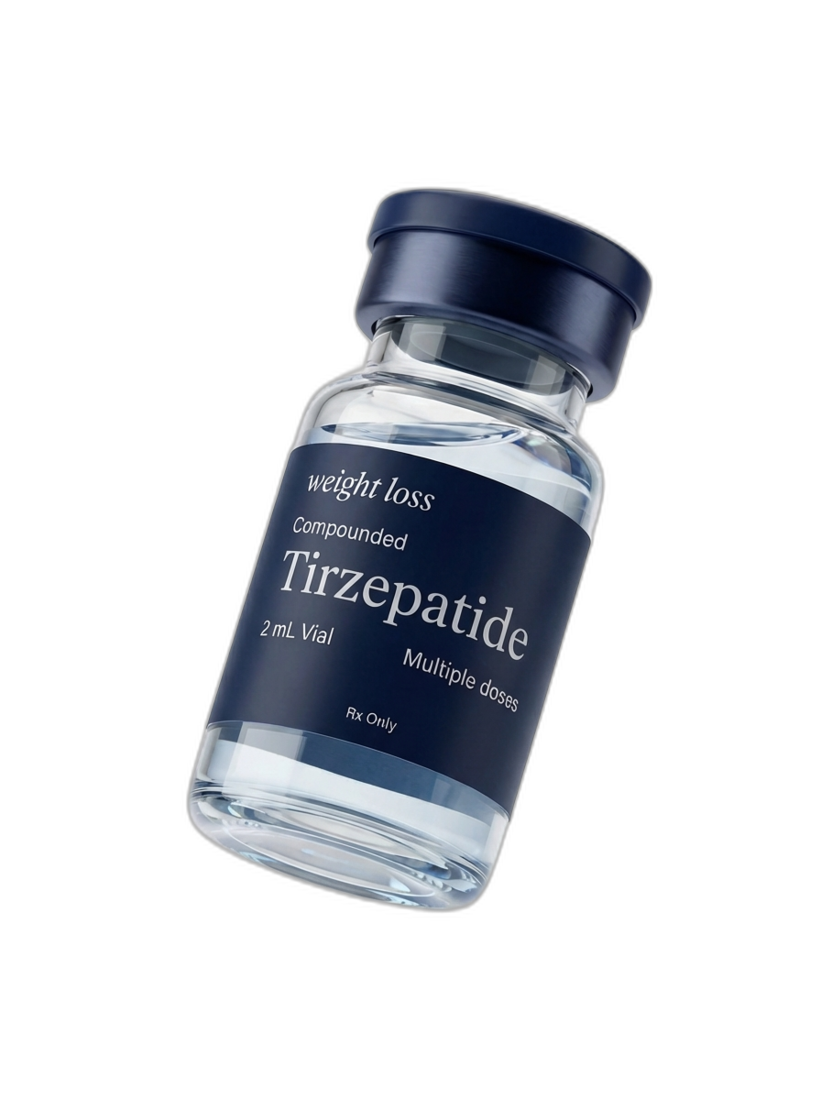
- Both Kind MD and Found are legitimate medical weight loss programs that can prescribe GLP-1 medications like semaglutide and tirzepatide.
- Found takes a broader multi-medication approach, using metabolic profiling to match patients with GLP-1s or off-label options like bupropion and topiramate, plus a comprehensive app.
- Kind MD focuses exclusively on GLP-1 medication with transparent pricing and direct access, without bundled coaching or tracking tools.
- The right choice depends on whether you want a full-service platform with coaching or streamlined, focused GLP-1 access.
- Pricing structures and included services vary by plan. Found’s current compounded GLP-1 materials say medication and membership are included; verify current offer terms directly.
Overview: two different approaches to medical weight loss
Kind MD is a GLP-1-focused telehealth program built for people who want direct access to semaglutide or tirzepatide at a transparent price. Found is a broader platform that uses metabolic profiling to match patients with multiple medication options, including GLP-1s, alongside coaching and an integrated tracking app.
Medical weight loss has changed significantly in the last three years. GLP-1 medications like semaglutide (Ozempic, Wegovy) and tirzepatide (Mounjaro, Zepbound) have produced results that outperform anything previously available in non-surgical medicine. Clinical trials show average weight loss between 15% and 22.5% of body weight, and that evidence has driven a wave of telehealth programs offering access to these treatments.
Kind MD and Found both sit within this space, but they are built around meaningfully different philosophies. Understanding that difference matters before you commit to a program, because the right fit depends on what kind of support you want, how you think about medication, and what you are willing to pay for.
This comparison is written to be straightforward and fair. We will lay out what each program does, where it stands out, and where it has limitations so you can make an informed decision.
At-a-glance comparison
Here is how Kind MD and Found compare on the factors that matter most to most patients.
| Category | Kind MD | Found |
|---|---|---|
| Starting price | Medication priced directly; no separate membership fee | Varies by plan; current compounded GLP-1 materials say medication and membership are included |
| Medications offered | Semaglutide, tirzepatide (GLP-1 only) | GLP-1s plus off-label options (bupropion, metformin, topiramate, naltrexone) |
| Coaching included | Not bundled | Yes — health coaches via app |
| App-based tracking | No dedicated app | Yes — meal, weight, habit tracking |
| Provider type | Licensed telehealth providers | Licensed telehealth providers |
| Shipping | Verify current plan inclusions and terms before checkout. | Ships via partner pharmacy |
| Best for | GLP-1 focus, transparent pricing, no app needed | Multi-medication evaluation, integrated coaching platform |
Medication approach: GLP-1 only vs. multi-drug
This is the most fundamental difference between the two programs, and it shapes everything else.
Kind MD: GLP-1 first and only
Kind MD focuses on compounded semaglutide and tirzepatide when a licensed healthcare provider determines that treatment is clinically appropriate. Kind MD works with a pharmacy network that includes both 503A compounding pharmacies and 503B outsourcing facilities; the dispensing route may vary by prescription, product, state, and availability.
The rationale is straightforward. GLP-1 medications are the most clinically effective pharmacological weight loss tools available. The STEP trials published in the New England Journal of Medicine showed semaglutide producing average weight loss of 14.9% of body weight over 68 weeks. SURMOUNT-1 showed tirzepatide reaching up to 22.5% at the highest dose. No other approved medication comes close to those numbers.
By focusing exclusively on GLP-1, Kind MD keeps the program simple: one medication class, transparent pricing, no bundled services that add cost without adding clinical value for everyone.
Found: metabolic profiling across multiple medications
Found takes a different approach. Rather than starting from GLP-1 as the default, Found uses a metabolic assessment to determine which medication or combination of medications may work best for each patient's profile. This can include GLP-1s, but also off-label medications with established weight loss evidence: bupropion (normally an antidepressant), metformin (a diabetes drug), topiramate (an anticonvulsant), and naltrexone.
The logic is that obesity has multiple underlying drivers, and some patients may respond better to a different mechanism. Metformin, for example, improves insulin sensitivity and has decades of safety data. Bupropion affects dopamine pathways that influence appetite and food reward differently than GLP-1. Found's model is that a provider assessing your full metabolic picture may prescribe something other than a GLP-1, or a combination, depending on what your history and labs indicate.
The tradeoff is complexity. Found's multi-drug approach requires more intake information, more ongoing provider assessment, and more variables in the program. For patients who have already tried GLP-1 and want to explore alternatives, or who want a provider to evaluate all options from the start, that complexity is valuable. For patients who have researched their options and want GLP-1 access without the additional layer, it may feel like more than they need.
Pricing structure
Pricing in this space changes frequently, and specific numbers can shift as compounding pharmacy costs, supply, and regulations evolve. What does not change is the structural difference between how the two programs charge.
Kind MD pricing
Kind MD prices medication directly. You pay for what you receive: the medication, the provider consultation, and shipping. There is no separate monthly membership fee layered on top of the medication cost. This makes it easier to understand what you are paying for and to compare the actual cost of the medication against other sources.
Found pricing
Found’s current offer terms describe multiple plan structures. Its compounded GLP-1 materials say medication and membership are included, while branded medication costs and insurance terms can vary. Confirm the plan, billing cadence, included services, and medication cost directly with Found before enrolling.
Compare the total charge, billing cadence, medication, provider access, coaching, app features, shipping, cancellation terms, and insurance handling for the specific plan you are considering.
Source check: Found program and pricing details were checked August 14, 2026 against Found's current offer terms and compounded semaglutide page. Offers can change.
Coaching and support
Found: high-touch coaching model
Found's platform is built around behavioral support alongside medication. Patients have access to health coaches via the app who can provide guidance on nutrition, movement, sleep, and habit formation. The program is designed around the idea that medication is most effective when combined with behavioral change, and Found's infrastructure is built to deliver both in one place.
For patients who want accountability, personalized guidance, or who have struggled with behavior change on their own in the past, this structure can be genuinely useful. Coaching is not a small thing. Access to a knowledgeable person who follows your progress and can offer real-time guidance has meaningful clinical value for many patients.
Kind MD: provider oversight without bundled coaching
Kind MD does not bundle coaching into the program. Patients have access to licensed providers for clinical oversight of their medication, but the program is not designed to deliver a comprehensive behavioral change curriculum alongside it.
This is a deliberate choice, not an oversight. Many patients who come to Kind MD have already done the research on GLP-1 medications, understand how the treatment works, and want straightforward access without paying for coaching they will not use. The GLP-1 medications themselves are the primary driver of outcome. The appetite suppression and metabolic effects of semaglutide and tirzepatide create the physiological conditions for weight loss. Extensive coaching infrastructure is not required for the medication to work.
Patients who want coaching alongside their medication can seek that independently. Registered dietitians, certified health coaches, and behavioral health providers are available separately and may be covered by insurance in ways that a bundled telehealth platform fee is not.
Technology and app
Found: integrated app platform
Found's app is central to the experience. It provides meal tracking, weight logging, habit tracking, coach messaging, and progress visualization. For patients who want a single interface where they manage their weight loss program, the app creates that. The design philosophy is that consolidating everything into one place reduces friction and increases engagement with healthy behaviors.
The app also gives Found's provider and coaching teams visibility into patient activity between appointments, which can make clinical adjustments more data-driven.
Kind MD: no dedicated app
Kind MD does not have a dedicated patient app. Communication with providers happens through the telehealth portal, and ongoing management is handled through standard patient outreach rather than a persistent app experience.
For patients who already track their health through a preferred tool (Apple Health, MyFitnessPal, or similar) or who do not want another app in their routine, this is not a limitation. For patients who find app-based accountability genuinely helpful for adherence, Found's platform offers something Kind MD does not.
Ordering process
Kind MD starts with a free marketing quiz, treatment and plan selection, shipping information, and checkout. The longer medical intake and independent provider review follow checkout. If treatment is approved, the prescription is sent to a licensed pharmacy for fulfillment and shipment; if not approved, the checkout payment is refunded. Found follows its own intake and prescribing process.
Kind MD is designed to make this process direct: a free marketing quiz leads to treatment and plan selection, shipping information, checkout, the longer medical intake, and independent provider review. Medication is fulfilled and shipped only if treatment is approved.
Found's intake is more comprehensive given the broader medication evaluation it performs. The metabolic assessment requires more information about your history, any previous weight loss attempts, and your metabolic health markers. This is appropriate given that Found may prescribe from a wider range of options, but it means the process involves more steps before a prescription decision is made.
See if you qualify for Kind MD in under 2 minutes.
The quiz is free. After checkout, a licensed provider reviews your completed medical intake.
Take the Free Quiz →When to choose each program
Neither program is universally better. The right choice depends on what you are looking for. Here is a clear breakdown.
- Already know you want semaglutide or tirzepatide and want focused access
- Prefer transparent, direct medication pricing without a membership fee
- Do not want or need a bundled coaching app
- Want a streamlined intake and fast shipping
- Are comfortable managing your own habits and behavioral side independently
- Want a provider to evaluate multiple medication options against your metabolic profile
- Are interested in non-GLP-1 medications like bupropion or topiramate
- Value in-app coaching and want an integrated platform for behavior tracking
- Have tried GLP-1 medications before and want to explore alternatives
- Prefer a higher-touch support experience with regular coach access
The clearest signal is this: if you have done your research on GLP-1 medications, understand what semaglutide or tirzepatide does, and want direct access without paying for infrastructure you will not use, Kind MD is purpose-built for that. If you want a platform to assess all your options, prescribe accordingly, and support your behavioral change through coaching and tracking, Found offers that more comprehensively.
Both programs require a legitimate clinical evaluation. Neither will prescribe GLP-1 medications to patients who do not meet clinical criteria (typically a BMI of 27 or higher with at least one weight-related comorbidity, or a BMI of 30 or higher). This is appropriate: these are prescription medications with real physiological effects, and provider oversight matters.